Position:
Home > FAQ
FAQS
We have our own brand, and the products has passed the ISO9001 quality system and CE certification, and all the equipmentfittings are famous brand in China.
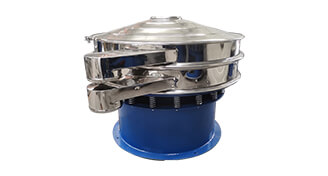
Precautions for vibrating screen for chestnut screening
Equipment operation:
Pre-start inspection: Make sure that all parts of the vibrating screen are intact, such as the screen, motor, transmission device, etc. Check and clean the feed port to ensure that there is no blockage.
Start and stop: Start and stop the vibrating screen correctly according to the operating instructions of the equipment. Follow normal operating procedures and safety regulations to prevent accidents.
Feed control: Control the feeding speed and amount of chestnuts as needed to ensure the stability of screening effect and output.
Observation and adjustment: Regularly observe the working status of the vibrating screen, and if any abnormality is found, adjust or repair it in time.
Equipment maintenance:
Cleaning and maintenance: Regularly clean all parts of the vibrating screen, especially the screen and feed port. When cleaning, use appropriate tools and cleaning agents to avoid damage to the equipment.
Lubrication and inspection: Regularly add an appropriate amount of lubricant to the transmission device of the equipment, and check the tightness of the transmission parts. If looseness or wear is found, repair or replace it in time.
Screen maintenance: Check the wear of the screen. If necessary, replace the severely worn screen in time to ensure the stability of screening effect and output.
Troubleshooting: If the vibrating screen fails or has abnormal conditions, stop the machine in time to check and troubleshoot. If necessary, seek help from the equipment supplier or professional maintenance personnel.
Through correct operation and regular maintenance, the service life of the equipment can be improved, and stable screening effect and product quality can be obtained.
Can you provide some advice on the maintenance and care of plastic vibrating screens?
When it comes to the maintenance and care of plastic vibrating screens, here are some suggestions:

Regular cleaning: Regular cleaning of the vibrating screen can prevent material residue and accumulation, and avoid damage to the screen and screening mechanism. Use a soft brush or air pressure cleaning equipment to ensure thorough cleaning, and avoid using sharp objects to scratch the screen.
Check and replace the screen: The screen is a key component of the vibrating screen and its condition needs to be checked regularly. If the screen is damaged, worn or blocked, it should be replaced in time. Choose the appropriate screen aperture and material to meet the screening needs of different materials.
Lubrication maintenance: Lubricate and maintain the transmission parts and bearings of the vibrating screen to ensure its normal operation and life. Follow the lubrication guidelines provided by the manufacturer and use appropriate lubricants and methods for maintenance.
Regularly check fasteners: Check whether the fasteners (such as bolts, nuts, etc.) on the vibrating screen are loose to ensure their firmness. If loose fasteners are found, they should be tightened or replaced immediately.
Preventive maintenance: Perform preventive maintenance regularly, including checking the condition of components such as motors, drive belts, cables, and cleaning or replacing components that require maintenance. This helps reduce the risk of failure and prolongs the life of the equipment.
Pay attention to safe operation: When using the vibrating screen, follow safe operating procedures to ensure the safety of operators. Avoid overload operation, use the equipment correctly, and comply with regulations on electrical safety and protective devices.
Establish maintenance records: Establish maintenance records, including maintenance dates, contents, and maintenance personnel information. This helps track the performance of maintenance work and provides a reference for future maintenance planning.
It should be noted that specific maintenance and servicing requirements may vary depending on the vibrating screen model and manufacturer. Therefore, when performing maintenance and servicing, it is best to refer to the equipment's operating manual or consult the manufacturer's guidance.
In addition to the vibrating screen, have you considered other equipment suitable for wet rice screening? I would like to know more options
In addition to the vibrating screen, there are other devices that can be used to screen wet rice. Here are a few common options:

Vibrating screen: Similar to the vibrating screen, the vibrating screen is also a device that screens by vibration and the action of the screen. It can be used for screening wet rice, and the wet rice can be graded according to the particle size according to different screen hole sizes.
Drum screen: The drum screen is a device that screens by rotating the drum. Wet rice can be screened by gravity and the action of the screen holes through the rotation of the drum. Drum screens are often used for screening materials with high humidity and are suitable for the screening needs of wet rice.
Horizontal vibrating screen: The horizontal vibrating screen is a screening device that vibrates in the horizontal direction. It separates wet rice according to particle size through horizontal vibration and the action of the screen. Horizontal vibrating screens usually have a larger screen area and can handle a higher yield of wet rice.
Cyclone: ​​The cyclone is a device that uses centrifugal force and rotating fluid for screening. The wet rice is separated according to the particle size under the action of the rotating fluid of the cyclone. The cyclone is suitable for the screening needs of finer particles of wet rice.
These devices have certain applications in wet rice screening. The specific selection should be based on comprehensive considerations of production needs, output requirements, screening effects, etc. For specific wet rice screening needs, it is recommended to consult and select with the equipment supplier or professional engineer.
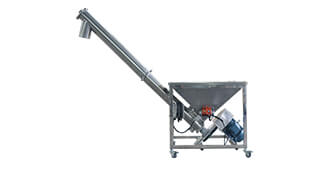
Can the screw conveyor transport sugar?
Screw conveyors can be used to transport white sugar. The screw conveyor is a common material conveying equipment that transports materials along pipes or troughs through the rotation of spiral blades.

White sugar usually comes in the form of granules or powder, and screw conveyors are suitable for conveying granules, powders and granular materials. The spiral blades of the screw conveyor can be designed and customized according to the characteristics of the sugar and the transportation requirements. Typically, screw conveyors are made of stainless steel to ensure food-grade hygiene and quality requirements.

It should be noted that when conveying sugar or other foods, the screw conveyor should comply with food hygiene and safety requirements. Regularly clean and maintain screw conveyors to ensure that they are not contaminated or contaminated during transportation to ensure food quality and safety.

If necessary, it is recommended to consult a professional engineer or supplier to obtain a customized screw conveyor solution to meet the specific requirements of sugar transportation.
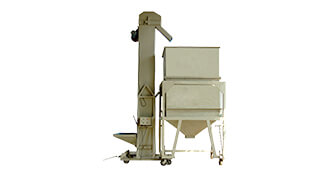
How Should The Bucket Elevator Be Properly Maintained
1. The bucket elevator should be driven with no load. Drain all materials in the hopper before stopping each time, and then stop.
2. it cannot be reversed. Derailment of the chain may occur when it is reversed, and it is very troublesome to troubleshoot the derailment.
3. Feed evenly. It is forbidden to increase the feeding amount suddenly. The feeding amount cannot exceed the conveying capacity of the elevator. Otherwise, it is easy to cause a "stuffy car" accident when the material at the bottom accumulates seriously.
4. Replenish lubricating oil in a timely and appropriate amount.
5. When the chain and hopper are severely worn or damaged, they should be replaced in time.
What materials are plastic vibrating screens generally used for screening?
Food materials: Plastic rotary vibrating screens are often used in the food industry to screen powdered or granular food raw materials, such as flour, powdered sugar, starch, grains, dried fruits, spices, etc.
Chemical materials: In the chemical industry, plastic rotary vibrating screens can be used to screen various chemical raw materials, including granular, powdered or liquid materials, such as plastic granules, rubber granules, pigments, dyes, coatings, resins, granular fertilizers, etc.
Pharmaceutical materials: In the pharmaceutical industry, plastic rotary vibrating screens are often used to screen pharmaceutical raw materials, such as powders, pills, tablets, liquid medicines, etc. It can meet the requirements for material purity in the pharmaceutical process and ensure the quality and safety of drugs.
Mining materials: In the mining field, plastic rotary vibrating screens can be used to screen materials such as ore, coal, slag, etc. It can adapt to harsh working environments, has wear resistance and corrosion resistance, and effectively improves screening efficiency.
Building materials: In the construction industry, plastic vibrating screens can be used to screen building materials such as sand, gravel, cement, concrete, etc. It can help remove impurities and ensure the quality of building materials.
It should be noted that according to the specific screening requirements and material characteristics, different screen apertures and screening levels can also be selected to meet materials with different particle sizes and separation requirements. Therefore, the application range of plastic vibrating screens is quite wide and is suitable for material screening processes in multiple industries.
 1 2 3 4 5 6 7 8 9 10 
welconme
your inquiry
Copyright © Xinxiang Dayong Vibration Equipment Co., LTD.
Technical Support: COVERWEB